What is Underfloor Heating?

Samuel Roberts • January 24, 2026

Share this article

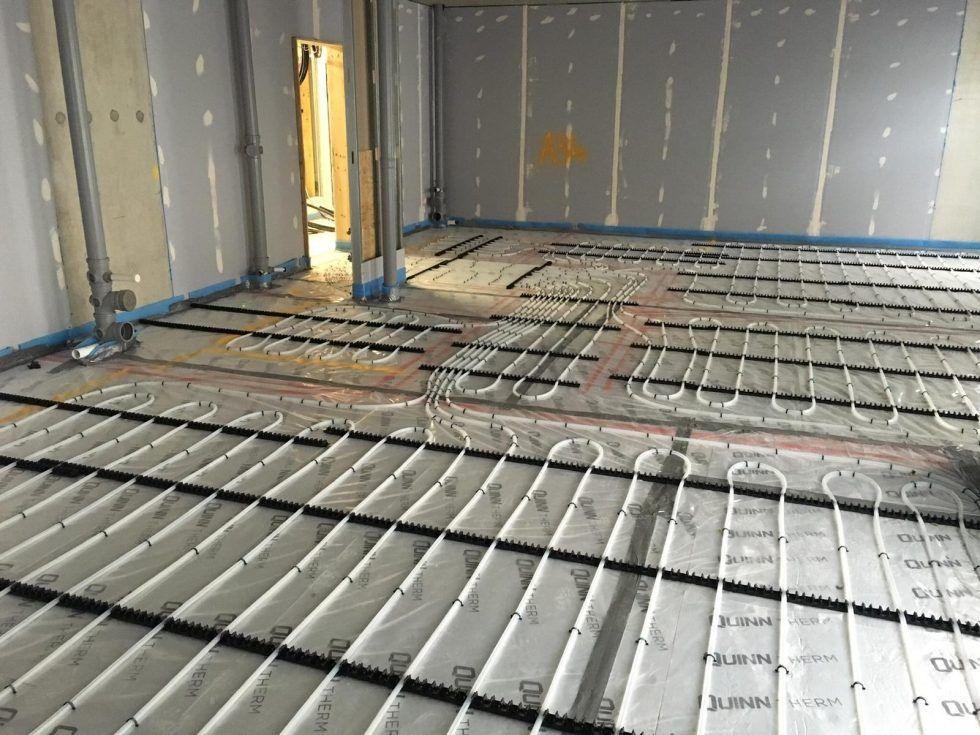
Radiant floor heating pipes installed on a concrete subfloor in a room under construction with unfinished drywall walls.

Underfloor heating is a high-spec feature becoming increasingly popular, especially in new build homes where more thought is going in to making more sustainable energy choices.


Installation of an underfloor heating system is something that can cause considerable upheaval, especially if the floor needs to be raised – but the cost in time and money is usually considered to be worth it for the more efficient heating, the improved aesthetic, and reduced household energy bills.


There are two types of underfloor heating that you can have installed. Electric underfloor heating is usually cheaper and easier to fit, but might cost more to run depending on your electricity tariff. Underfloor water heating is usually more disruptive and expensive to fit, but it is considered to be more efficient and cheaper to run every day.


According to Which? 53% of people choose to install underfloor heating in their bathrooms, while 50% of people prefer to install it in the kitchen. Underfloor heating is suitable for use in any room where you want to either provide a warm place for your feet or even to replace your radiators completely without compromising on warmth and comfort.


If you are undecided about which type of underfloor heating will be best for your home, the best thing you can do is talk to an expert, like our team at GMS. We will talk through what would work most effectively in your space, and what this would entail in terms of cost and time. We will look at:


  • Size and shape of the area
  • Does the existing floor need removing completely?
  • Is it a retrofitting or refurbishment project, or a new build under construction?
  • What central heating system is it connecting to? Gas or heat pumps for a wet system (water underfloor heating) or to the mains for an electrical system?


If you are a competent DIY enthusiast, you might even be able to fit your own underfloor heating – retailers sell mats with the wires attached off the shelf, which are relatively simple. However, these will still need to be connected to the mains by a qualified electrician.


Water-based systems definitely need to be installed by a professional.

When Should You Install Underfloor Heating?

Whether you are choosing an electric or water-based system, you will need to lift the existing flooring, and this means that it is likely to cause quite a bit of upheaval. We would always recommend that you try to tie in this sort of work with other refurbishments to try and minimize disruption to your everyday life. Of course, if you want the system to be installed in a new build property that is currently under construction or in a home that is not currently lived in.


Remember that, depending on the work that needs to be done, the process of retrofitting underfloor heating can include:


  • Removal of the existing floor
  • Floor height might need to be raised.
  • Door height might need to be reduced.
  • If the floor height change is drastic enough, you might have to install a half-step or a step in between rooms
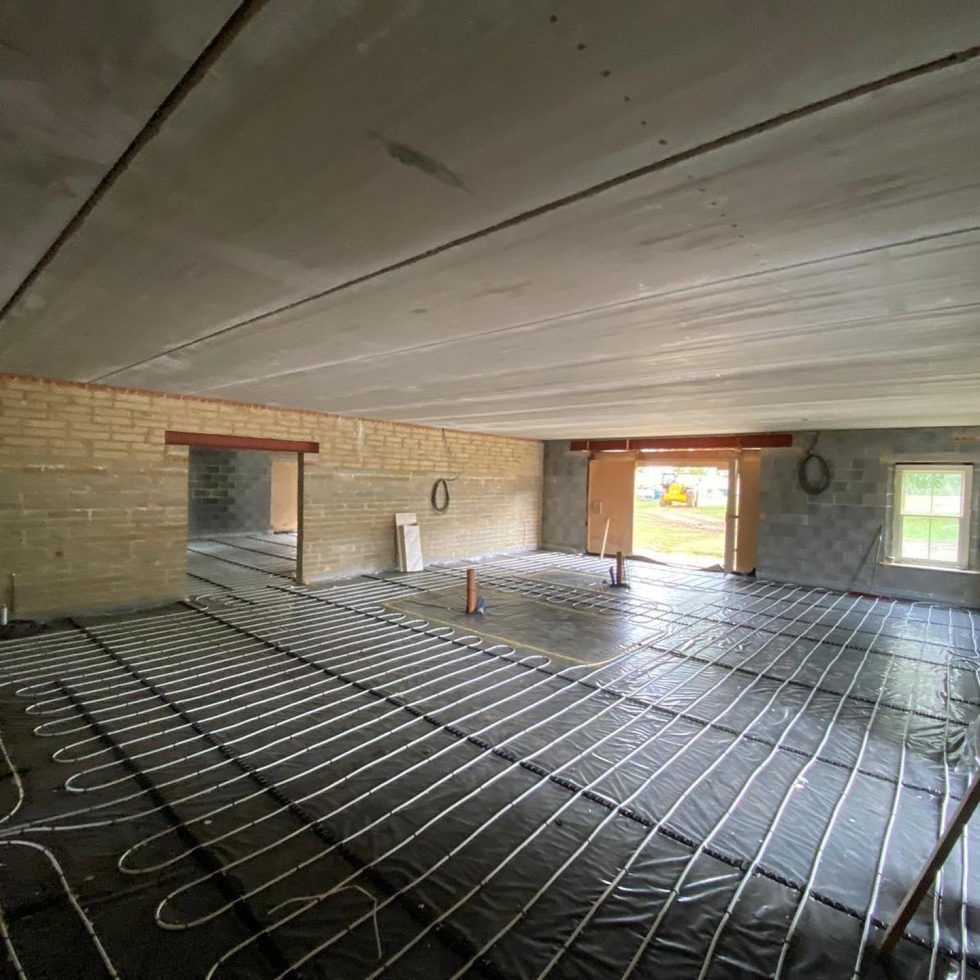
Construction site interior with radiant heating tubing installed on a black underlayment across a concrete floor.

Can Underfloor Heating Replace Radiators?

For most people, the addition of underfloor heating in rooms like bathrooms and kitchens is to remove the need for radiators – and this can work, even in larger spaces like living rooms.


You might want to remove radiators from the room to make more space or just to achieve a cleaner finish, but you do not want to run the risk of making yourself uncomfortably cold.


To make this work, you should ensure that the underfloor heating system offers at least 200W of power per square metre, and it covers about 80-90% of the total floor area.


You will also need to ensure that there are insulation boards installed underneath the heating system to prevent heat loss, and that whatever floor covering you are using on top has relatively low thermal resistance so that the heat can pass through easier.


Another consideration is insulation. More modern homes can have cavity wall insulation as well as loft insulation, and your installation team might recommend that you upgrade your insulation before putting the heating system in.


Even with all this, you might want to consider adding extra heat sources in the room – such as a heated towel rail or plinth heaters, just for the added reassurance of heat when you need it.


Remember that underfloor heating takes much longer to come to temperature, and it does not run as hot as a radiator-based system would – especially if it is running off a heat pump rather than a gas boiler, for example.

Alternatives to Underfloor Heating

There are some circumstances and situations where underfloor heating might not be the most appropriate solution, and the team at GMS will be happy to discuss alternatives or things to do to improve. These might include:


  • Less powerful or smaller heating system
  • Number of external walls to a room
  • The weather outside gets particularly cold.
  • Solid walls (usually found on much older buildings) with no insulation.
  • Single-glazed windows.


Speak to us to find out whether underfloor heating is the best option for you and your home.

Recent Posts

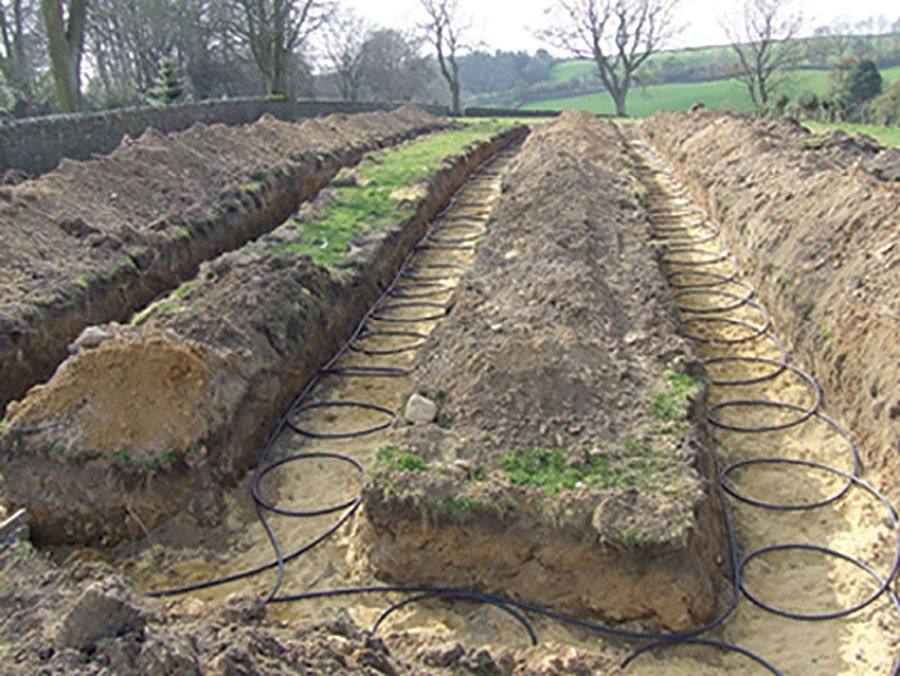
Ground-level view of trenches in a field with coiled black geothermal heat pump tubing laid out for installation.
By Samuel Roberts January 24, 2026
So, what is a Ground Source Heat Pump?
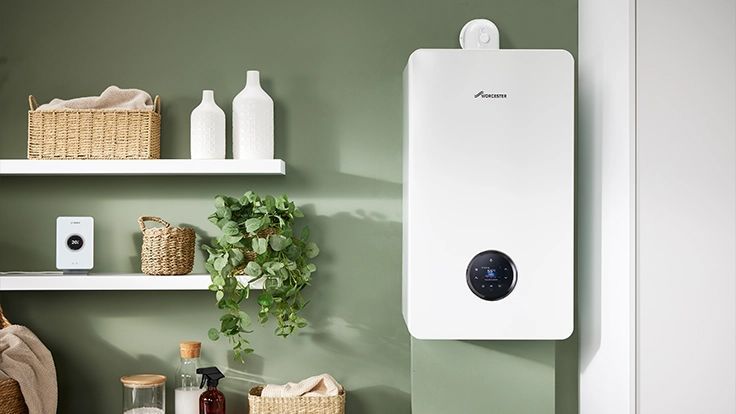
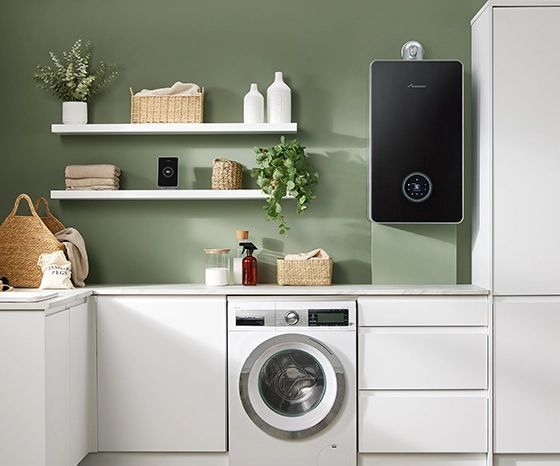
A wall-mounted white Worcester Bosch boiler in a green room with shelves containing home decor and a plant.
By Samuel Roberts January 24, 2026
What is Central Heating?
A modern laundry room with white cabinets, a washing machine, floating shelves, and a black wall-mounted water heater.
By Samuel Roberts January 24, 2026
Components of a Gas Boiler
Solar panels tilted toward a bright blue sky filled with fluffy white clouds.
By Samuel Roberts January 24, 2026
Domestic emissions account for up to 16% of the UK’s carbon footprint.
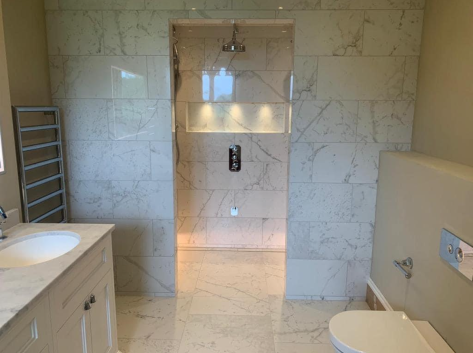
A modern bathroom featuring a white marble walk-in shower with a recessed shelf, a vanity with a sink, and a toilet.
By Samuel Roberts January 24, 2026
Smart Toilet Technology
Ships dock at an industrial port facility as a tall smokestack releases thick, dark smoke into the cloudy sky.
By Samuel Roberts January 24, 2026
The Climate Change Act 2008.
A close-up view of a complex network of shiny, interconnected metal pipes and industrial fittings.
By Samuel Roberts January 24, 2026
Pre-civilisation Plumbing
Two people point to data on a document held on a clipboard.
By Samuel Roberts January 24, 2026
1. Adjust temperature down on milder days.
Modern bathroom with a freestanding white tub, wall-mounted toilet, and floating vanity against light-colored stone walls.
By Samuel Roberts January 24, 2026
Smart Technology
Flyer for a GMS heating system health check service, including pricing, contact details, and a list of included services.
By Samuel Roberts January 24, 2026
What Does the Heating Health Check Include?
Show More