Water Underfloor Heating – The Basics

Samuel Roberts • January 24, 2026

Share this article

Have you considered water underfloor heating? Underfloor heating is a relatively new way to heat parts of your home, and many people are retrofitting underfloor heating in their kitchens and bathrooms as part of a refurbishment project or even installing it as standard in their new build properties.


There are two main types of underfloor heating – water underfloor heating (or wet), and electric. The type of underfloor heating that you will choose for your home depends on many factors, including your central heating, the size and shape of the room, and whether you are expecting it to completely replace radiators. If you are unsure, then the experienced team at GMS will be able to help you make the right decision.

What is Water Underfloor Heating?

The water underfloor heating system consists of a series of pipes which run underneath the floor. These pipes carry hot water from the boiler, heating both the floor and the space above.


Water underfloor heating works with virtually all existing central heating systems, and it performs particularly well with solar water heating, ground source heat pumps, and air source heat pumps – underfloor heating runs at a much lower temperature than radiators, which is ideal for renewable energy..

How is water underfloor heating installed?

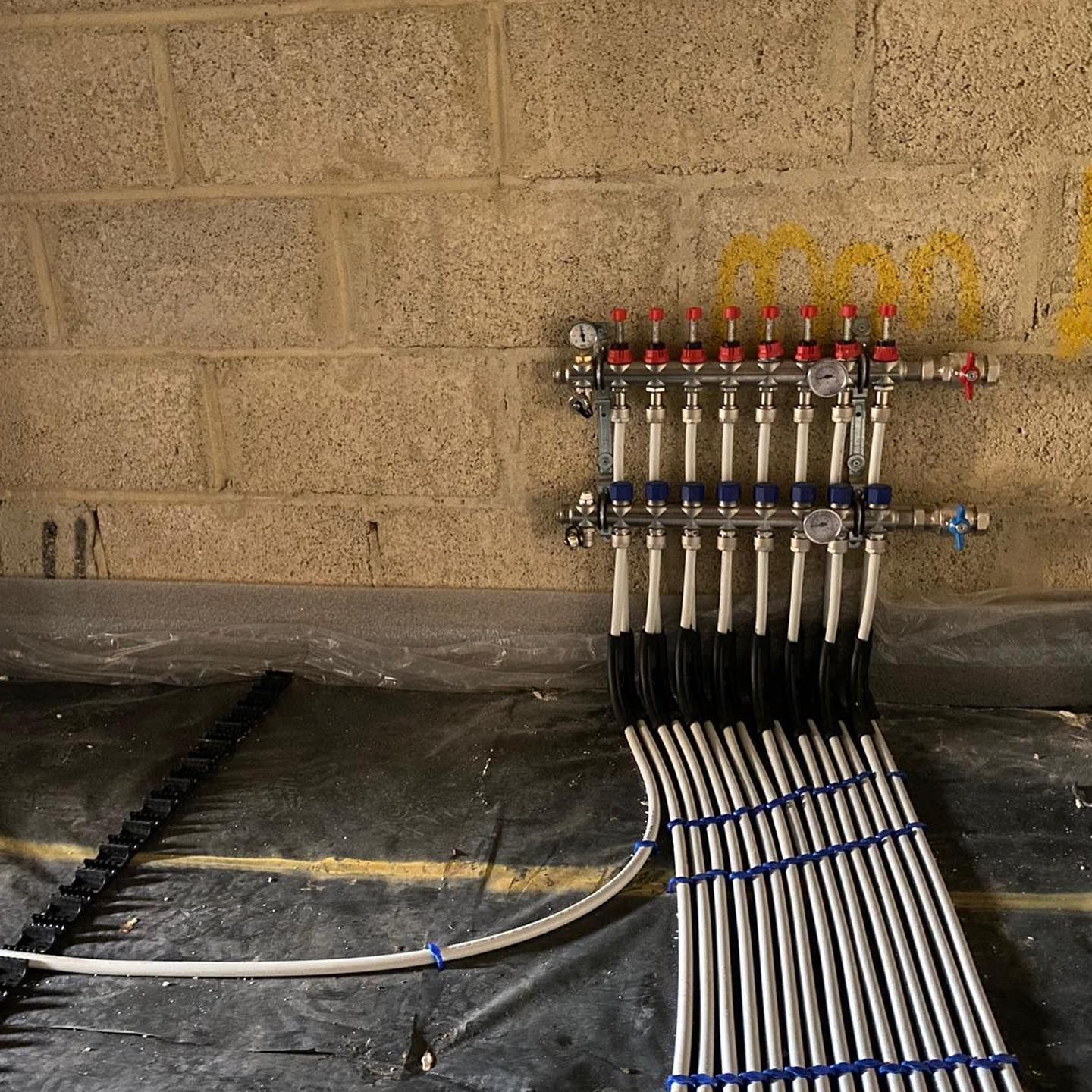
Water underfloor heating systems can be installed in almost any room, but they are most likely to be found in the kitchen, bathroom, or living room. Firstly, the pipes are laid and fixed with fixing clips, and then they are connected to a manifold and then to a heat source. The manifold consists of two rows of taps and becomes bigger and more complex as the size of the room it is in increases.

Radiant floor heating manifold with eight pipe connections mounted on a concrete block wall above a black vapor barrier.

Once it is all connected, the installation team will test it to ensure that it is working as it is meant to. An insulating screed is then poured around the pipes, working to not only hold them in place but also provide some insulation to increase efficiency. This screed is also essential to level out the floor.


It is worth mentioning that water underfloor heating is bulkier than the electric equivalent, and this means that once completed, the floor level might have to be raised. This can, in turn, lead to more adjustments being made, such as steps into rooms and changing the height of doors.

Is water underfloor heating expensive to install and run?

In essence, the main difference between the two comes down to expense and efficiency. Electric systems tend to be cheaper to install, but they can be less powerful and may be more expensive to run over the long term.


Water systems are more costly to install and are more labour-intensive, but they do tend to be cheaper to run in the long term and work particularly well with renewable energy sources like air and ground source heat pumps.


Although it is hard to quantify with any certainty because every home is different, water underfloor heating is considered to be more cost-effective than electric, and both are considered to be better options than traditional radiators.


If you wanted to replace your existing central heating system and all the radiators with a cleaner-looking underfloor heating system, then you need to take the advice of a professional.


The underfloor heating team at GMS will be able to advise you if the system will be suitable as a complete replacement or whether you need to make any adjustments, such as improving insulation.


Call us today to find out more about whether underfloor heating is right for you.

Recent Posts

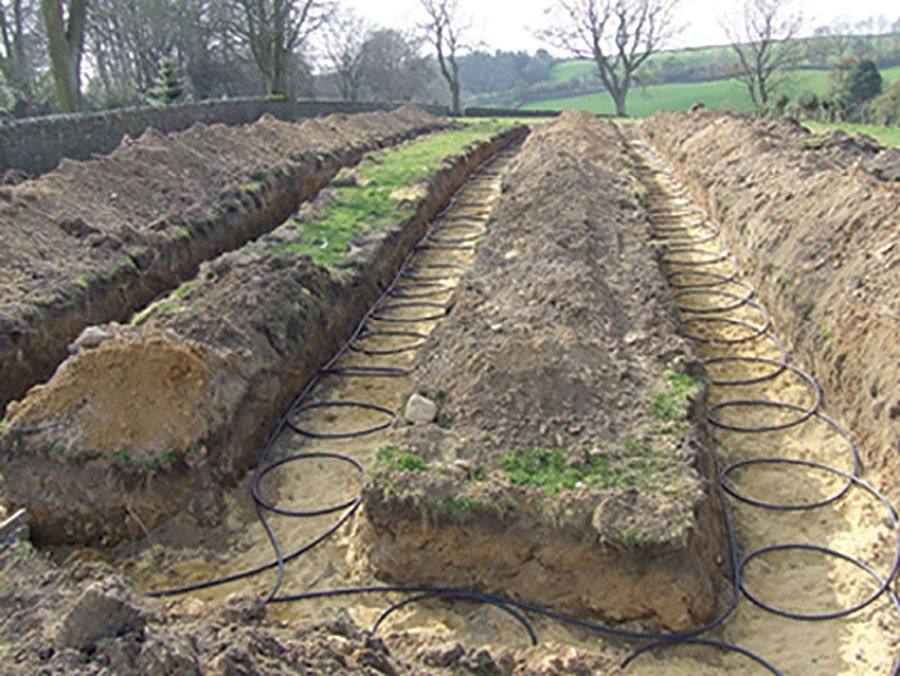
Ground-level view of trenches in a field with coiled black geothermal heat pump tubing laid out for installation.
By Samuel Roberts January 24, 2026
So, what is a Ground Source Heat Pump?
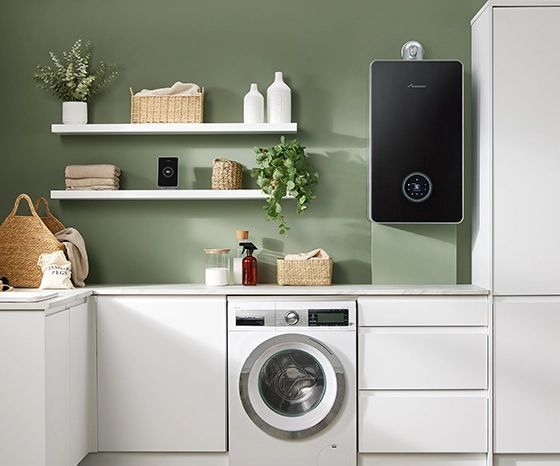
A wall-mounted white Worcester Bosch boiler in a green room with shelves containing home decor and a plant.
By Samuel Roberts January 24, 2026
What is Central Heating?
A modern laundry room with white cabinets, a washing machine, floating shelves, and a black wall-mounted water heater.
By Samuel Roberts January 24, 2026
Components of a Gas Boiler
Solar panels tilted toward a bright blue sky filled with fluffy white clouds.
By Samuel Roberts January 24, 2026
Domestic emissions account for up to 16% of the UK’s carbon footprint.
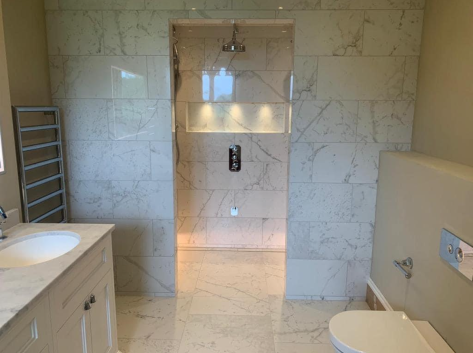
A modern bathroom featuring a white marble walk-in shower with a recessed shelf, a vanity with a sink, and a toilet.
By Samuel Roberts January 24, 2026
Smart Toilet Technology
Ships dock at an industrial port facility as a tall smokestack releases thick, dark smoke into the cloudy sky.
By Samuel Roberts January 24, 2026
The Climate Change Act 2008.
A close-up view of a complex network of shiny, interconnected metal pipes and industrial fittings.
By Samuel Roberts January 24, 2026
Pre-civilisation Plumbing
Two people point to data on a document held on a clipboard.
By Samuel Roberts January 24, 2026
1. Adjust temperature down on milder days.
Modern bathroom with a freestanding white tub, wall-mounted toilet, and floating vanity against light-colored stone walls.
By Samuel Roberts January 24, 2026
Smart Technology
Flyer for a GMS heating system health check service, including pricing, contact details, and a list of included services.
By Samuel Roberts January 24, 2026
What Does the Heating Health Check Include?
Show More