Heating Health Check – Your Key to Confidence in Your Heating System from the Team at GMS

While we all know the importance of an annual service for your boiler – whether you are on mains gas, LPG, oil or a heat pump – there are many different parts of your heating system that should be checked for optimum performance.
The Heating Health Check is an inclusive inspection that takes in all parts of your heating system, a bespoke package that uses the latest technology to check the efficiency of the heating and hot water.
What Does the Heating Health Check Include?
Heat Source
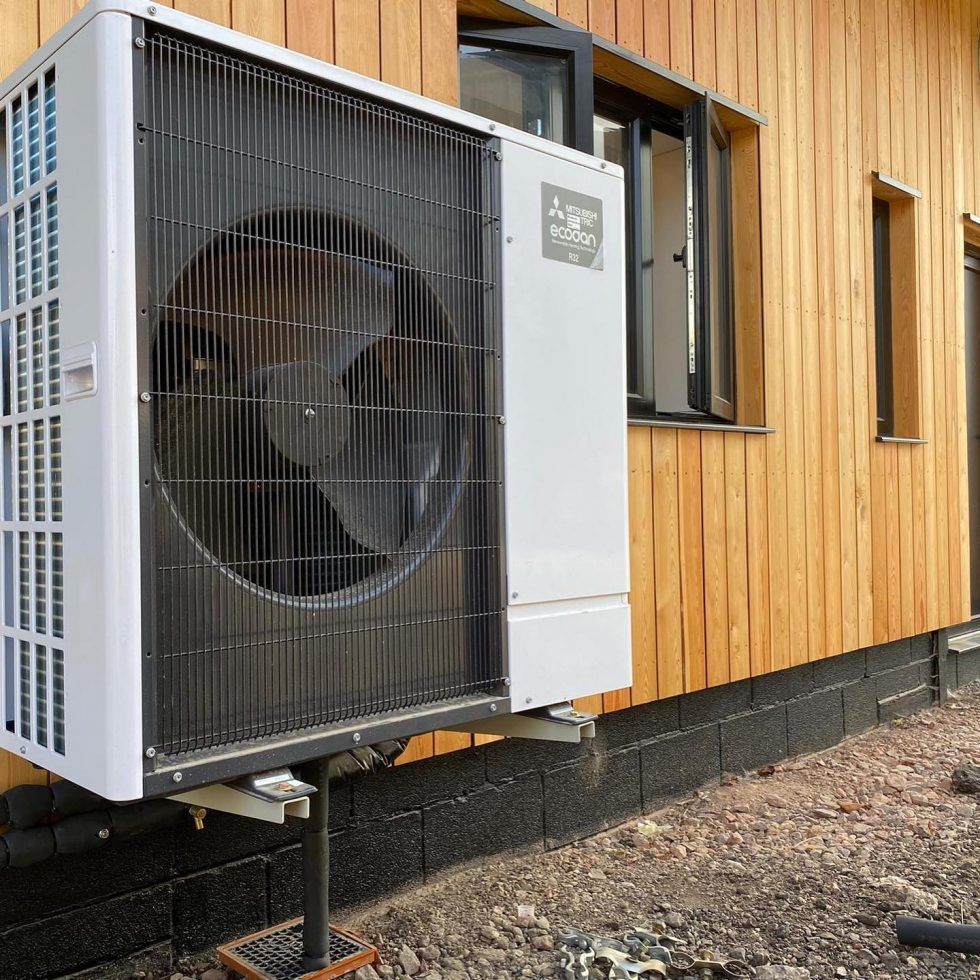
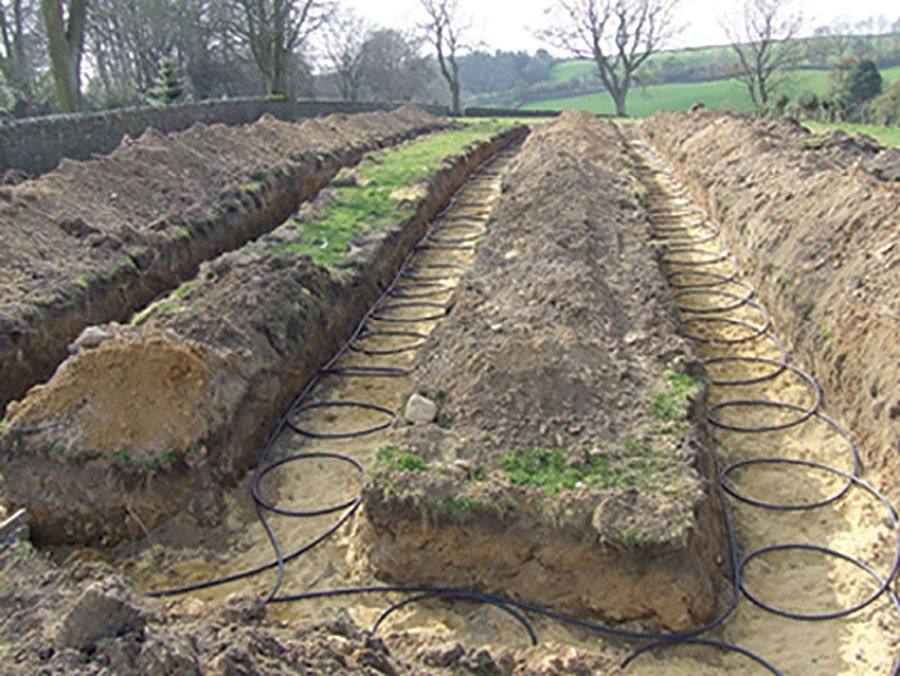
Oil, air source heat pumps, gas, LPG, and ground source heat pumps may produce heat from different sources, but the end product should be the same – they should be creating sufficient heat to warm your home effectively.
Our well-trained, knowledgeable and professional engineers are specialists in different heat sources, and they bring that knowledge with them when they perform a health check. While this does not cover all the checks done as part of a service, it will ensure that the heat source is working, that it is switching on and off, and that the settings for the system are correct.
Pumps
A common issue that heating systems might face is that the motor for the pump may not be working efficiently. It might not be able to get to speed, it might not be able to maintain speed, and in some cases, it might not be able to start at all.
This check is designed to get the motor running smoothly and pick up on any problems that may cause an issue in the future.
Radiators and Valves
Your radiators have a huge part to play in heating your home.
This check is designed to make sure each radiator is working properly and that they are properly balanced throughout the property. We will also check that Thermostatic Radiator Valves (TRVs) are in place and can be used to adjust the heat coming from the radiators so that you can prioritise heating in rooms you use the most.
Controls and Zone Values
Some properties rely on wall thermostats to control their heating, while others might have wireless or remote control options. Either way, this check will make sure the controllers are communicating with the system properly. This is also an opportunity for you to get to know your system a bit better.
We will also check the different heating zones in the property to make sure that each control and thermostat is working properly with the areas needed. This will include setting temperatures and timings if you need help with this.
Thermal Imaging
We use the latest thermal imaging cameras to check your system, from the boiler through the vessels and all the way through the radiators and pipes. This will show us where the heat is going and identify any cold spots which will be affecting the performance of your heating.
For example, if we find cold areas at the top of your radiators, then there is likely to be air in the system. Cold spots at the bottom might signify sludge is gathering.
Passive Vessel
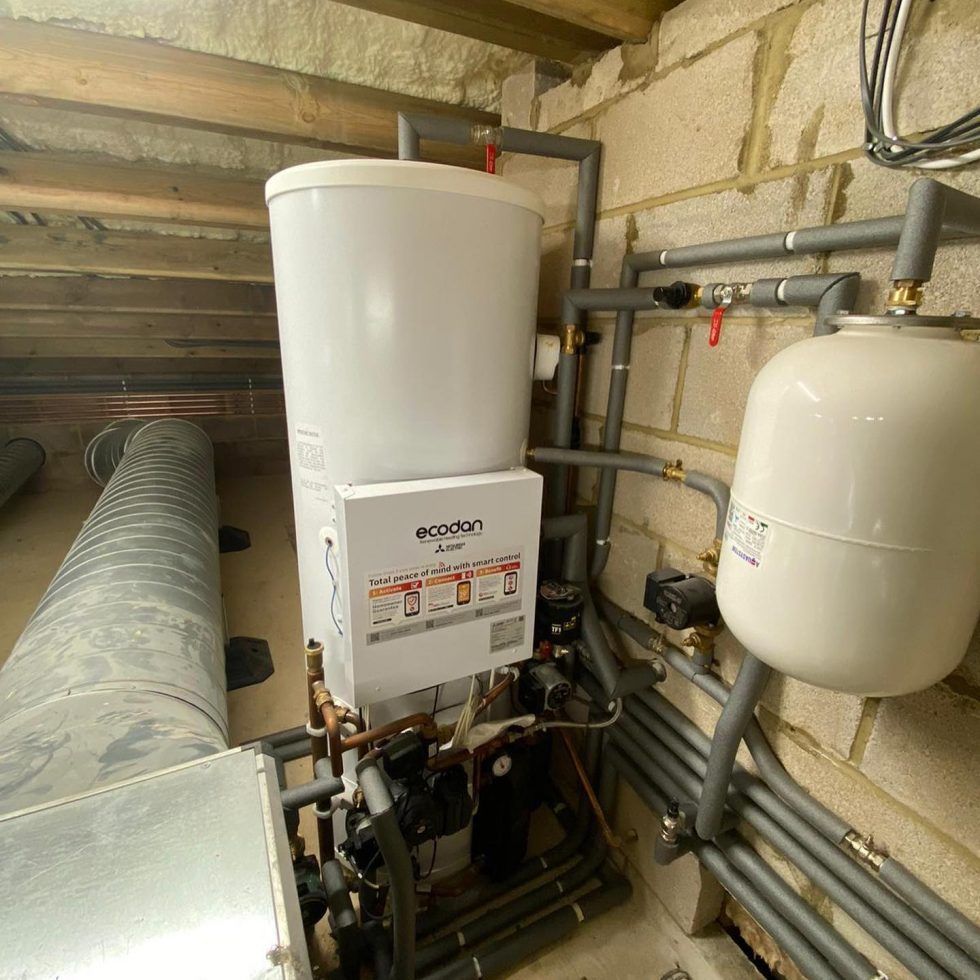
The expansion vessel is pressurised, so this check on the passive vessel ensures that it is at the right pressure when not in use, and also when the heat demand is there.
Pressure drops often cause boilers to stop working, and is one of the most regular boiler-related breakdowns we have to fix. Spotting pressure issues early is definitely useful, and we can show you how to deal with an error code relating to a pressure drop in the future.
Water Quality
While the water that is in your heating system is not going to be clean enough to drink, we want to avoid any nasties being present such as the Legionella bacteria as well as iron oxide and other particles.
Iron oxide and rust can travel through the system and this can cause a buildup of sludge in the pipes and in the radiator panels – we can see the result of this with the thermal cameras when it has become a problem.
A water sample will be taken from the system to test for the presence of anything like this, and any abnormal results can be dealt with immediately.
The Bottom Line
Once your Heating Health Check is complete, you will receive a comprehensive report detailing the inspection, along with any recommendations that have been made. This might include a recommendation to upgrade your radiator valves for the more effective and efficient TRVs mentioned above, for example.